

Senior living operators face a persistent and largely preventable risk: employees who commit abuse, theft, medication diversion, and other crimes against the residents they are hired to protect. High turnover, reliance on agency and contract staff, as well as daily access to vulnerable people and controlled substances mean that risk doesn’t end at the point of hire, it continues to evolve. The incidents that keep emerging are a stark reminder of that reality.
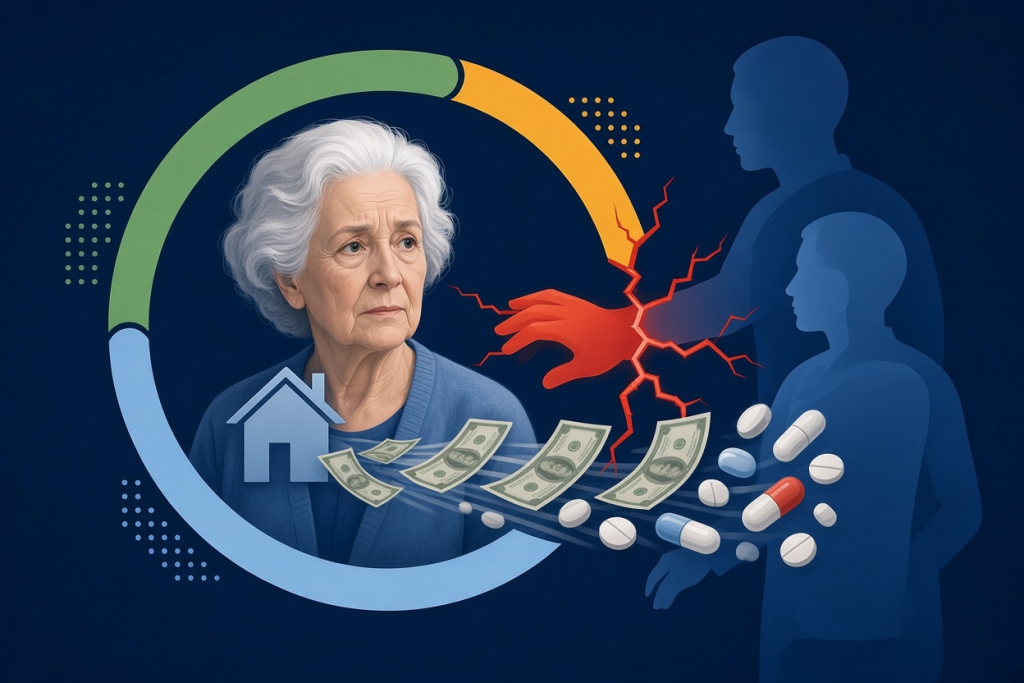
In Minnesota, a multi-year analysis of Department of Health investigations from 2013 to 2021 documented more than 11,300 tablets of medication, nearly all controlled substances, predominantly opioids, stolen from 368 residents across 104 nursing homes and assisted living facilities. Nearly half of the identified perpetrators were nurses. The average diversion lasted roughly 56 days before detection, leaving residents without pain medication for extended periods. Most cases involved a single employee taking the drugs for personal use.
Physical and verbal abuse also continues to appear in criminal charges. In 2026, the New Mexico Department of Justice charged multiple facility employees with abuse of a resident. One case involved an assisted-living employee accused of aggressively forcing an 89-year-old resident with Alzheimer’s during care. Another involved an employee charged with verbally assaulting residents, with videos of the incidents posted on social media. These were criminal prosecutions, not merely regulatory citations, against people entrusted with intimate daily care.
Financial exploitation follows the same pattern. In 2026, a Sarasota, Florida, caregiver and accomplice were charged with stealing more than $361,000 from assisted-living residents through unauthorized credit-card and account transactions. Residents with cognitive impairment are especially exposed when staff have routine access to rooms, personal belongings, and financial information.
Broader data confirms these are not isolated events. CMS inspection records show thousands of abuse and neglect citations occurring annually. One recent period recorded roughly 2,830 such citations, with more than 1,000 involving actual harm or immediate jeopardy. Analyses have found that roughly 28 percent of nursing homes had at least one deficiency at the most serious levels. Staff are frequently identified as perpetrators. Government Accountability Office reviews previously documented sharp increases in abuse deficiencies and found that staff were more often the perpetrators than residents or visitors. HHS Office of Inspector General reports have repeatedly highlighted underreporting of potential abuse and neglect incidents linked to emergency-room visits.
These outcomes are enabled by incomplete screening at hire and the absence of meaningful ongoing monitoring. A one-and-done background check, often limited in scope and quickly outdated, cannot detect new criminal charges, license actions, or patterns of misconduct that emerge after an employee is already working inside a facility. High turnover and reliance on agency staff widen the gaps further.
Reusable, privacy-preserving identity verification and continuous risk screening can close much of that gap. Operators can rely on a verified, shareable trust signal that consolidates identity, criminal, civil, professional license, and other relevant records into an objective, continuously updatable indicator, without repeatedly collecting and storing sensitive personal information. Continuous evaluation of public records can surface actionable alerts when new risks appear, such as new criminal or civil records, license changes, or other indicators of misconduct, allowing intervention before harm occurs. High-assurance identity verification completed once and reused across roles reduces fraud and duplicate screening while accelerating onboarding.
No technology eliminates every risk. Operators still need strong supervision, medication controls, reporting culture, and clear policies. Yet many of the staff-related incidents documented across the sector are enabled by gaps that continuous, continuous screening can directly address. Senior living communities exist to protect people at their most vulnerable. The choice is whether the industry continues to rely on outdated, one-time checks or adopts the continuous model the risk profile now requires.
Senior care operators face clear regulatory and operational exposure. A single documented incident of staff abuse, theft, or medication diversion can trigger investigations, fines, and, in the most serious cases, license restrictions or facility closure. Continuous monitoring of staff risk provides operators with earlier visibility into emerging problems. Without it, facilities remain dependent on delayed detection and reactive response after harm has already occurred.