

Written by Raj Ananthanpillai, CEO and founder of Trua, featured on BiometricUpdate.com
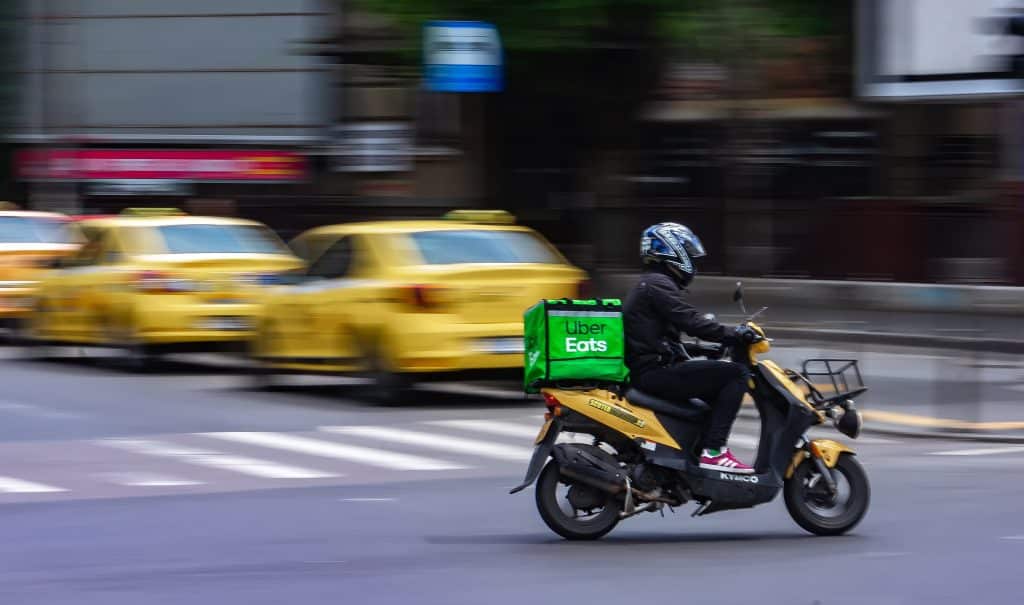
A background check tells a gig platform something about the person who applies for an account. It cannot guarantee that the same person drives the car, delivers the meal, or enters a customer’s home.
TransUnion discovered that nearly one-third of millennial and Gen Z gig workers surveyed had rented or shared their accounts with someone else. This practice of account renting spans a wide range of services including ride-hailing, delivery services, dating apps, and caregiving platforms. Not surprisingly, there is a robust black market for buying and selling these accounts.
When an approved worker hands over their account to someone else, the platform can’t tell the difference between the person it screened and the person performing the work. Gig platforms need to maintain trust with their customers beyond onboarding workers. That means connecting a worker’s identity, eligibility, and account activity throughout the relationship, not just at the start.
The questions every platform must answer
Gig platforms often use “verification” as a catchall term. In practice, several different checks sit underneath it.
Verifying someone’s identity proves the applicant is who they say they are. Background screening is different because it determines whether that person meets the platform’s requirements based on criminal, licensing, or other relevant records. And authentication checks whether the approved worker still controls the account. Each process covers a separate risk.
A platform may know exactly who opened an account but miss a later license suspension. It may run an initial background check on someone who has already handed the account to another person. An authentication check can identify the account user, but it cannot decide whether that person remains eligible to work.
Customers do not see those distinctions. They expect the person who arrives to match the person the platform approved. A background check alone doesn’t provide that assurance.
More checks don’t solve identity substitution
Platforms still need recurring screening because eligibility can change. A new criminal record, suspended license or expired professional credential may affect whether someone can continue working.
Today, that means every platform runs its own separate check and stores its own separate copy of the same documents. A driver who signs up for three delivery apps submits a driver’s license, a Social Security number and other personal records three times, creating three places that information can be exposed to a breach. That redundancy doesn’t just cost platforms money and create liability. It’s also an opening. Fraudsters who obtain someone’s identity documents can use them to open accounts on multiple platforms before any single company catches the pattern.
Along with the responsibility for protecting that information, platforms also assume the cost of securing that information, controlling access, and keeping it current. Collecting more data does not necessarily create more confidence in who uses the account. Platforms need up-to-date information on applicants and their workers, but they shouldn’t have to collect and retain the same documents every time a worker applies somewhere new.
Identity verification and background screening are not what these companies do, and conducting them effectively would require implementing infrastructure most have no reason to build on their own. Expecting a delivery or ride-sharing app to also operate as a background-check authority is like expecting an airline to run its own version of TSA PreCheck. The airline benefits from its passengers using a trusted, reusable credential. It has no business building and operating the system that issues one.
A better system connects those checks instead of forcing each platform to collect and store the same information.
Connect the credential to the worker
Before issuing a reusable credential, a trusted provider verifies the worker’s identity against government-issued records. It also runs a live check by asking the applicant to blink, turn their head or read a short phrase on camera to confirm a real person is present, not a photo or a synthetic video. That step matters more than it did even two years ago. Deepfake tools have gotten cheap enough that a still image or a recorded clip can fool screening systems that only check a photo against an ID.
Once verified, the worker keeps the credential in a digital wallet so they maintain complete control over what gets shared. A ride-hailing company doesn’t need a copy of a driver’s license; it just needs to know the applicant has one. It’s up to the trusted provider to confirm that fact, just like a credit bureau confirms a loan applicant’s credit score without disclosing their full financial history.
Instead of collecting and protecting a stack of documents for every worker on every app, a platform gets confirmation of the specific fact it needs and nothing more. The worker reuses the same verified credential instead of resubmitting documents each time they sign up somewhere new.
The credential also has to stay current. Continuous monitoring can check the same sources after onboarding (e.g., a licensing board, a court record) and flag material changes. When something changes, the issuer can update, suspend or revoke the specific attribute affected, rather than waiting for a platform’s next scheduled background check to catch it.
Make credentials universal
A reusable credential does little good if only one company accepts it. Gig platforms, credential providers and digital wallet services need shared rules for accepting credentials and reporting updates or revocations. Without that, workers still repeat the same verification process every time they apply somewhere new.
Using the same rules for verification doesn’t require every platform to decide eligibility the same way. Each platform should still determine who qualifies to work or participate. The goal is to let platforms accept verified information from a trusted source instead of repeating checks that have already been completed.
The airline industry has embraced a similar model. TSA PreCheck provides airlines and government agencies with the same Known Traveler Number instead of requiring travelers to prove their status each time. Reusable credentials for gig work depend on similar cooperation. They become more useful as more platforms agree to accept verified information rather than collect it themselves.
Background checks still matter, but they determine whether the person tied to an account met a platform’s requirements at the time of screening. They do not prove that the same person is still driving, making deliveries or using the account later.
That is why verification has to continue after an applicant receives initial approval to become a ride-sharing service driver, deliver food and other goods to people’s homes, or join a dating site. Platforms should confirm both a worker’s eligibility and that the approved individual still controls the account. Reusable credentials can help, especially when platforms combine them with ongoing monitoring and biometric authentication when the worker logs in or performs higher-risk actions.